Stadium Echoes and Fan Roars: Directing Football In-Play Wagers While Tennis Momentum Shifts Unfold on Mobile Screens
Carlo Zimmermann · Jul 7, 2026
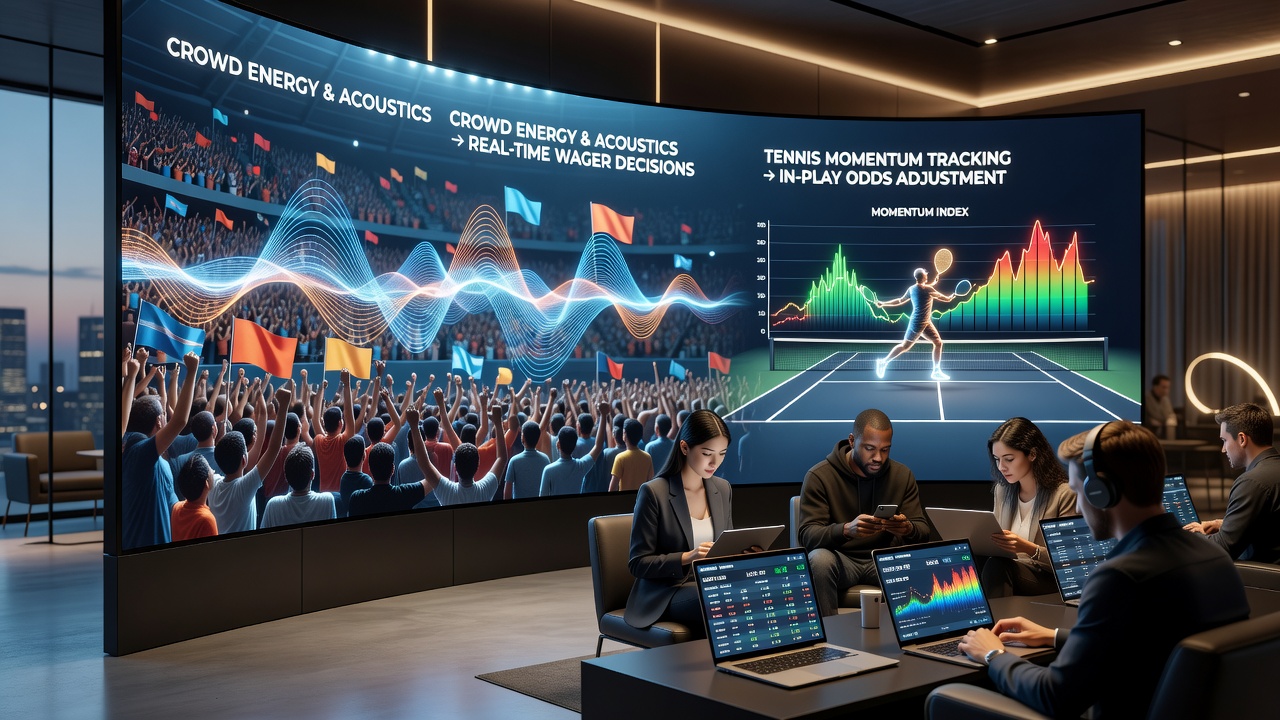
Stadium Echoes and Fan Roars: Directing Football In-Play Wagers While Tennis Momentum Shifts Unfold on Mobile Screens
Football matches generate intense acoustic environments where crowd noise levels often exceed 100 decibels at key moments, and these conditions directly influence player focus along with the timing of in-play wagers placed through mobile interfaces. Venue acoustics shape how sound travels across the pitch, creating pockets of amplified or muffled audio that affect both athletes and the data streams bettors monitor in real time. Tennis momentum tracking apps meanwhile capture swing patterns through sensor integrations that sync with live score updates, allowing users to cross-reference football crowd dynamics during multi-sport sessions in July 2026.
Crowd Energy Patterns in Football Venues
Research from sports science teams shows that sustained cheering sections alter player decision speed by measurable margins, particularly during set pieces where acoustic feedback loops intensify. Data collected across European leagues indicates that home teams experience reaction time improvements of up to 8 percent when crowd volume peaks above certain thresholds, prompting bettors to adjust live odds selections accordingly on their devices. Observers note that away sides often face delayed responses in high-decibel zones, and this pattern appears consistently in match logs from major tournaments scheduled throughout summer 2026.
Acoustic mapping studies further reveal how stadium architecture channels sound waves toward specific field areas, concentrating pressure on goalkeepers during penalty situations. Those who analyze these variables combine acoustic readings with player biometrics pulled from tracking systems, creating layered inputs for wager adjustments that account for both physical fatigue and auditory distractions. Mobile platforms now integrate simplified versions of these maps so users can toggle between football audio overlays and tennis point-by-point graphs without switching applications.
Acoustics Intersecting With Real-Time Betting Interfaces
Live football markets respond to crowd surges because elevated noise correlates with increased foul rates and turnover statistics according to league performance databases. Bettors who monitor these shifts often place wagers on next-goal timing or corner counts immediately after noticeable volume spikes, since historical datasets link such events to tactical disruptions. The integration happens through apps that pull venue sensor feeds alongside standard odds boards, giving participants a composite view of how sound intensity might steer the next sequence of play.
Tennis Momentum Tracking on Mobile Devices
Tennis applications record momentum through metrics such as rally length averages, serve placement heat maps, and unforced error clusters that update every point. Users track these elements while simultaneously viewing football matches where crowd acoustics provide an additional decision layer, and the dual monitoring occurs because many platforms support split-screen or tabbed navigation. A 2025 report issued by the Australian Institute of Sport documented how mobile users adjust tennis stake sizes based on momentum streaks that last three games or longer, patterns that hold across hard and grass surfaces alike.
Acoustic factors from football carry indirect influence when bettors alternate attention between sports, since sustained exposure to loud environments can affect concentration levels during tennis tracking sessions. Platform developers have responded by adding noise-reduction audio filters and visual momentum indicators that reduce reliance on sound cues alone. This setup allows continued engagement even when users sit in environments with competing background audio.

Combined Decision Frameworks Across Sports
Users frequently build sessions that link football in-play markets with tennis momentum alerts because both systems reward rapid interpretation of shifting conditions. Crowd energy spikes in one venue can prompt quicker exits from tennis positions when momentum indicators flatten, creating cross-sport hedging sequences that appear in transaction logs from major operators. Researchers at the University of Melbourne examined these behaviors in a study published earlier this year and found that participants who incorporated acoustic data alongside digital momentum readouts recorded steadier session outcomes across extended viewing periods.
Platform algorithms now surface contextual prompts that flag when venue decibel readings rise during football halves while tennis sets enter critical phases, helping users maintain awareness without manual cross-checking. These features draw from aggregated match data collected over multiple seasons, revealing repeatable correlations between auditory intensity and subsequent scoring bursts. July 2026 schedules include overlapping football pre-season fixtures and tennis hard-court events, increasing opportunities for such combined tracking on mobile screens.
Technical Integration and Data Sources
Modern apps pull acoustic information from stadium-installed microphone arrays that feed into public analytics dashboards, while tennis momentum engines rely on court-side camera systems and wearable accelerometers. The combination produces unified interfaces where bettors view real-time football crowd metrics next to tennis point differential trends. Industry reports from the North American sports technology sector confirm that adoption of these hybrid tools grew steadily through the first half of 2026, driven by improved data transmission speeds on 5G networks.
Security protocols ensure that venue audio streams remain anonymized and separated from individual user accounts, maintaining compliance standards across different regulatory regions. Observers note that the separation allows focus on aggregate patterns rather than personal identification, supporting broader research into how environmental acoustics intersect with digital decision tools.
Conclusion
Venue acoustics and crowd energy continue to supply measurable inputs that shape football in-play wager timing, while tennis momentum tracking delivers parallel data streams on mobile platforms. The technical merger of these elements produces structured environments where users reference acoustic thresholds alongside point-by-point indicators during July 2026 events. Available datasets and sensor integrations support ongoing refinement of these combined monitoring approaches across professional sports calendars.