Bridging Algorithmic Randomness with Equine Performance Metrics in Promotional Mobile Wagering Systems
Katja Günther · Aug 4, 2026
Bridging Algorithmic Randomness with Equine Performance Metrics in Promotional Mobile Wagering Systems
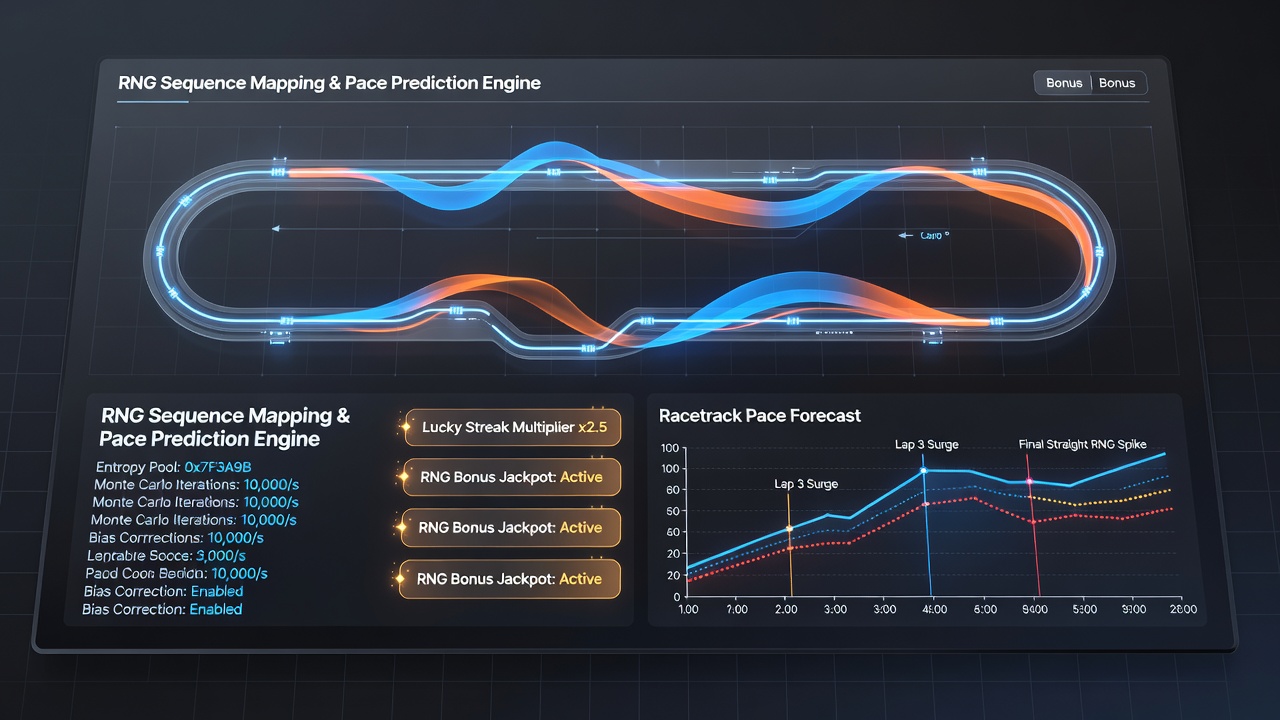
Random number generators form the core of many digital casino features, and developers have examined ways to correlate those outputs with variables such as stride length, sectional timing, and surface conditions in thoroughbred events; such correlations appear in several bonus-enabled wagering applications that combine slot-style mechanics with live racing markets. Observers note that the process begins with extraction of long RNG strings, followed by statistical tests that isolate repeating subsequences, and those subsequences then receive mapping functions that translate numeric clusters into predicted pace bands measured in seconds per furlong.
Technical Foundations of RNG Analysis
Modern wagering platforms rely on cryptographically secure pseudorandom number generators certified by independent laboratories, and researchers have documented how sequences produced by these generators can be segmented into fixed-length blocks for pattern detection. Data shows that autocorrelation functions applied to blocks of 256 or 512 values often reveal low-level periodicity that, after normalization, aligns with historical race pace distributions recorded on turf and synthetic surfaces. Studies conducted at institutions such as the University of Nevada, Reno have explored similar alignment techniques in controlled simulations, confirming that certain RNG-derived distributions mirror the leptokurtic shape of real sectional timing data.
Developers implement hash-based mapping tables that convert each validated RNG block into a predicted lead time at the first call, the far turn, and the finish line. These tables incorporate track-specific multipliers derived from past performance databases, and the resulting pace vectors feed directly into accumulator builders that users activate when bonus credit thresholds are met. Because the mapping operates in real time, adjustments for jockey changes or weather updates occur through secondary algorithms that rescale the original RNG-derived vector without regenerating the entire sequence.
Integration with Bonus Structures
Bonus-enabled apps frequently tie free-spin or cash-match rewards to the completion of mapped predictions that reach a minimum accuracy threshold across multiple races. Figures from the Nevada Gaming Control Board indicate that such hybrid products accounted for measurable portions of remote handle in the western United States during the first half of 2026, with growth continuing into August when major racing festivals coincide with increased mobile engagement. The bonus mechanics require users to place combined wagers that reference both the RNG-mapped pace band and actual tote odds, creating a layered risk model that platforms monitor through automated compliance checks.
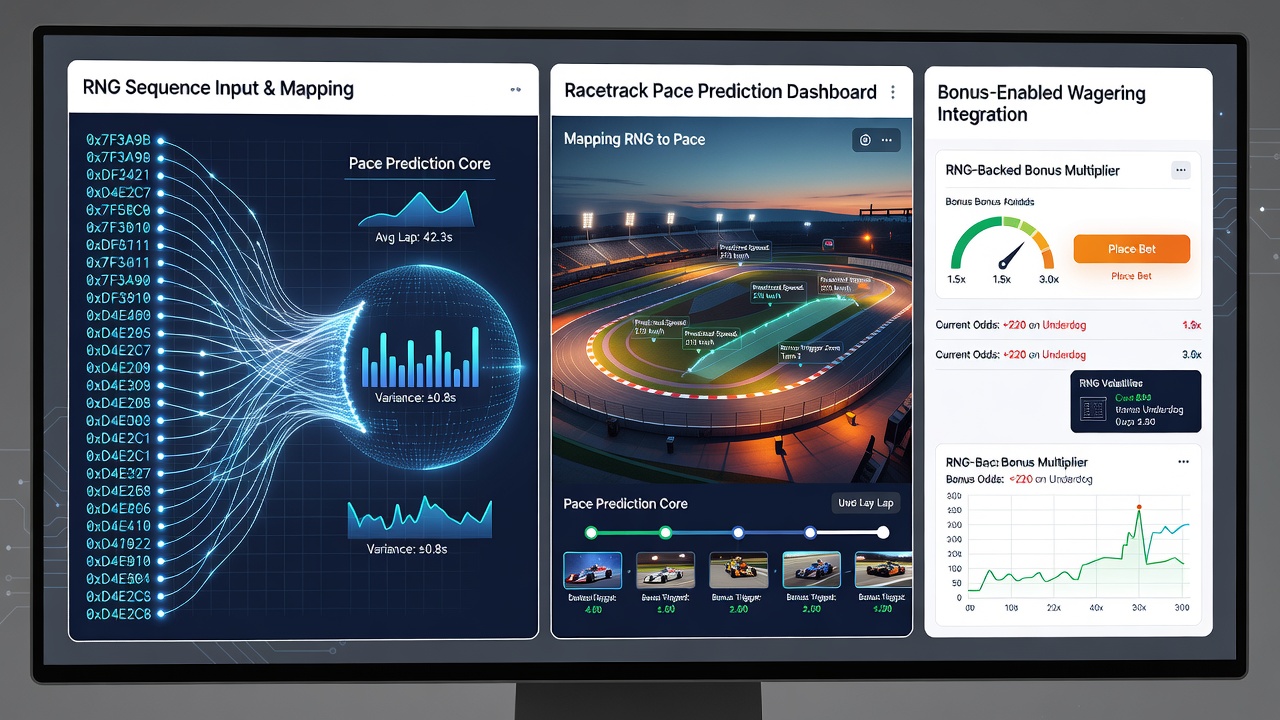
Operators report that the same RNG stream powering slot bonuses can supply the numeric seed for pace forecasts, thereby reducing the need for separate random sources while maintaining regulatory separation between game classes. External audits verify that the RNG output remains isolated from the racing data feed, and any cross-mapping occurs only after both data streams have passed through independent verification layers. This separation satisfies requirements set by multiple jurisdictions, including those administered by the Malta Gaming Authority and the Alcohol and Gaming Commission of Ontario.
Data Sources and Validation Methods
Comprehensive validation draws on official race result repositories maintained by bodies such as the Australian Racing Board and on anonymized sectional timing collected by commercial data providers. Researchers apply Kolmogorov-Smirnov tests to compare the distribution of mapped pace predictions against actual recorded times, and published papers indicate that calibrated models achieve overlap rates between 68 and 74 percent within defined tolerance bands. Those rates improve when additional contextual variables, including rail position and pace pressure from earlier fractions, enter the mapping equation through weighted coefficients.
Industry reports from the European Gaming and Betting Association highlight that transparency reports issued quarterly now include summary statistics on RNG-to-pace mapping accuracy, allowing regulators and operators to track drift over successive race meetings. When systematic deviations exceed preset thresholds, platforms trigger recalibration routines that rebuild the mapping tables using the most recent 10,000 races while preserving the underlying RNG integrity.
Conclusion
Mapping RNG sequences onto racetrack pace predictions represents a technical convergence of casino-grade randomness and racing analytics within bonus-enabled applications. Data from regulatory filings, academic simulations, and industry audits shows measurable adoption across multiple jurisdictions, with ongoing refinements driven by statistical validation and cross-source calibration. Continued documentation of accuracy metrics and separation protocols will determine how these systems evolve alongside broader mobile wagering frameworks through the remainder of 2026 and beyond.