Aligning Mobile Displays with Fluctuating Probabilities in Multi-Discipline Wager Builders
Katja Günther · Jul 30, 2026
Aligning Mobile Displays with Fluctuating Probabilities in Multi-Discipline Wager Builders
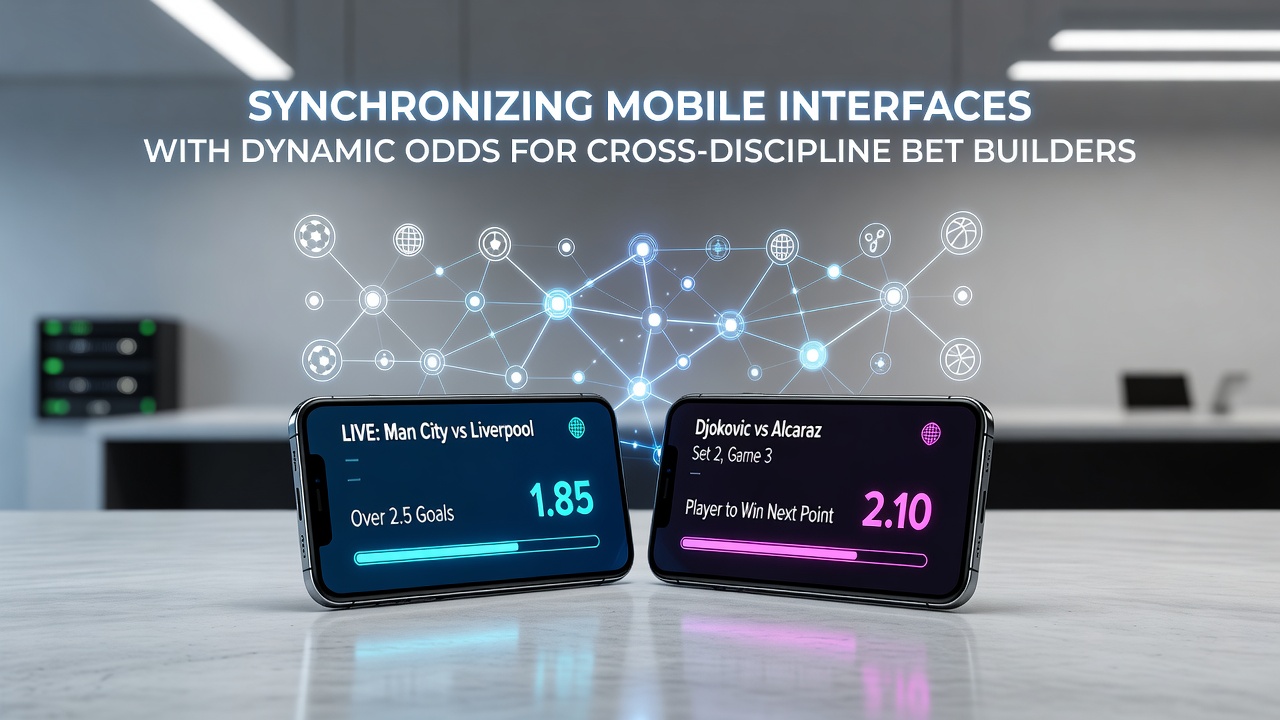
Developers have refined mobile platforms to handle real-time data streams that update odds across multiple sports and event types while users assemble combined wagers, and these systems rely on low-latency APIs that pull information from various providers simultaneously. Data from industry reports shows that such synchronization reduces latency gaps that once forced bettors to refresh screens manually, while seamless integration allows selections from tennis sets, football matches and racing fixtures to appear in one builder tool without separate logins or delayed feeds.
Core Mechanisms Behind Interface Synchronization
Engineers implement websocket connections that push probability changes directly to user devices, and these connections operate alongside cached data layers that prevent display freezes during network fluctuations. Research from the University of Nevada's gaming technology group indicates that hybrid caching models cut error rates in live odds by nearly 40 percent compared with older polling methods, while the same frameworks support cross-discipline stacking where a user might link a tennis player's next service point to an upcoming football corner and a horse's position at the final furlong.
Platform teams test these setups across different operating systems to maintain consistent rendering, and they adjust for varying screen sizes so that dynamic price shifts remain visible without requiring users to scroll or zoom during active events. Observers note that July 2026 brought incremental updates to several major applications that improved battery efficiency during extended live sessions, allowing longer periods of monitoring without performance drops.
Handling Multi-Sport Data Streams
Bet builders now pull from separate liquidity pools for each discipline, yet the mobile layer merges them into a unified view that recalculates potential returns instantly when any single component changes. Figures from the Canadian Gaming Association reveal that cross-discipline volume grew steadily through early 2026, driven partly by improved mobile tooling that lets users adjust stakes or remove legs without restarting the entire selection process. Those who manage these platforms emphasize the importance of timestamp alignment so that a late goal in one match does not conflict with a set change in another.
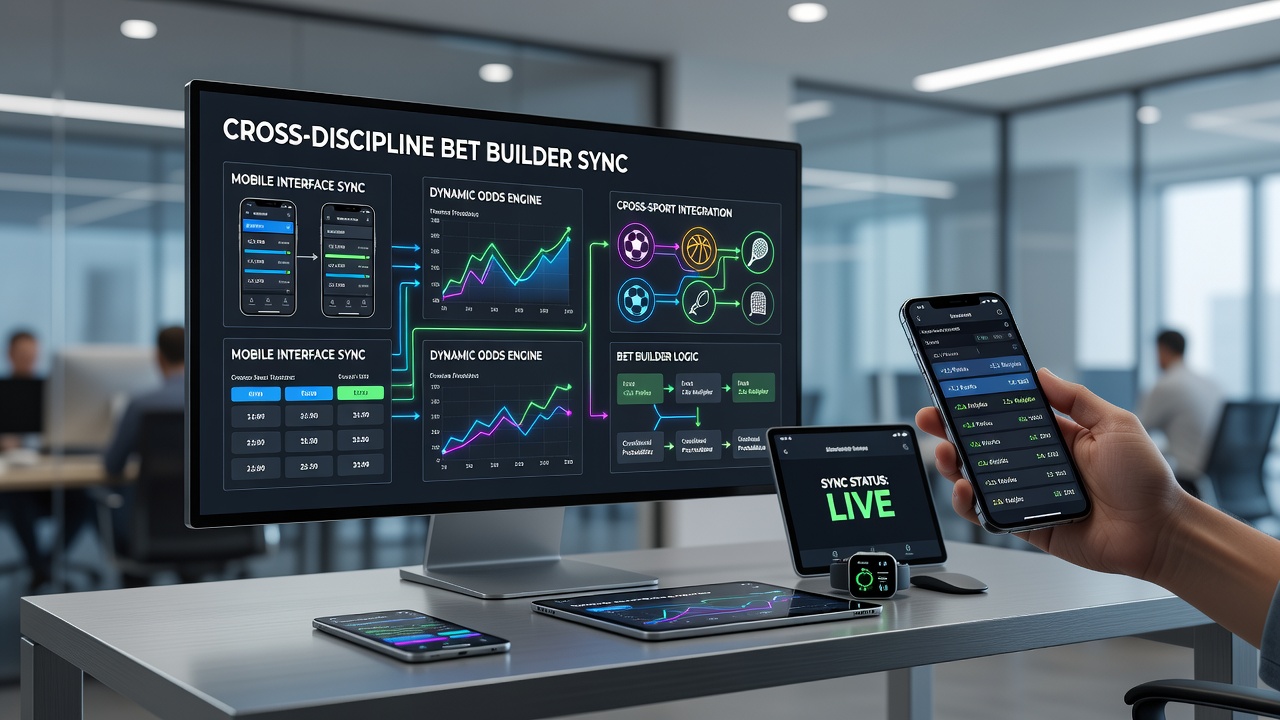
Additional safeguards include automatic suspension of markets when official data feeds report irregularities, and such pauses propagate across all connected selections to avoid mismatched pricing. Academic papers on real-time systems published by researchers at the Technical University of Munich describe algorithms that prioritize the most volatile events, ensuring football and tennis updates reach devices ahead of slower-changing horse racing odds.
Regulatory Context and Platform Standards
Agencies such as the Nevada Gaming Control Board have issued guidance on transparency requirements for live odds displays, and operators respond by logging every price revision with millisecond precision for audit purposes. Similar expectations appear in Australian regulatory documents that stress clear presentation of combined wager terms before confirmation, while European trade associations track how synchronization tools affect responsible gambling features such as session timers and deposit limits. Data shared by these groups shows that users who build multi-leg bets on synchronized interfaces often set lower individual stakes per leg compared with single-market activity.
Platform providers continue to refine notification systems that alert users when one selection's odds shift beyond a chosen threshold, and these alerts integrate with the same data pipeline that powers the bet builder itself. In practice this means a sudden movement in a tennis market can pause or modify suggested football or racing combinations without manual intervention from the account holder.
Conclusion
Continued investment in mobile synchronization technology supports the growing range of cross-discipline wager options available to users, and ongoing refinements in data handling keep interfaces responsive across different network conditions. Evidence from multiple regulatory and research sources points to steady adoption of these tools through mid-2026, with focus remaining on accuracy, speed and consistent display across varied device types.